Living an Asymmetrical Life: Where English Meant Survival
We Speak English or People Die
From cruise ships to cruise missiles, this chapter is about language under pressure: aviation English, war-zone teaching, cultural translation, and the doctrine of high-consequence communication.

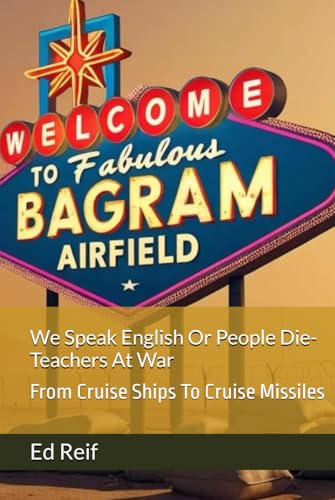
In a war zone, every sentence has a blast radius.
Communication is not a soft skill. It is survival infrastructure. In high-consequence environments, clarity is a form of blast mitigation.
Two Books: One Memoir. One Doctrine.
The memoir tells what happened. The doctrine extracts what matters when communication failure becomes operational risk.

We Speak English Or People Die: Teachers At War
From Cruise Ships To Cruise Missiles follows the human story: a civilian instructor entering the war-zone classroom, discovering that grammar, radio calls, and trust can become matters of survival.
Read the Memoir
A Warfighter's Field Book For High Consequence Communication
This is the operating manual: plain language, signal extraction, shared mental models, escalation discipline, and communication that survives noise, stress, accents, radios, rotor wash, and consequence.
Read the DoctrineCommunication Is Not Soft Skill. It Is Survival Infrastructure.
In ordinary classrooms, language is measured by fluency. In Afghanistan, it was measured by whether the right person understood the right instruction before the situation changed. That is the difference between a lesson plan and a life-support system.
The war chapter is not about making English beautiful. It is about making meaning durable: short enough to survive the radio, clear enough to cross cultures, and disciplined enough to hold under pressure.
When the environment gets louder, the message must get simpler. Discipline is what keeps meaning intact long enough to become action.
The checklist is compassion written down before the emergency starts.
The War Chapter, reduced to four signals
Rotors, Runways, Dogs, and Doctrine
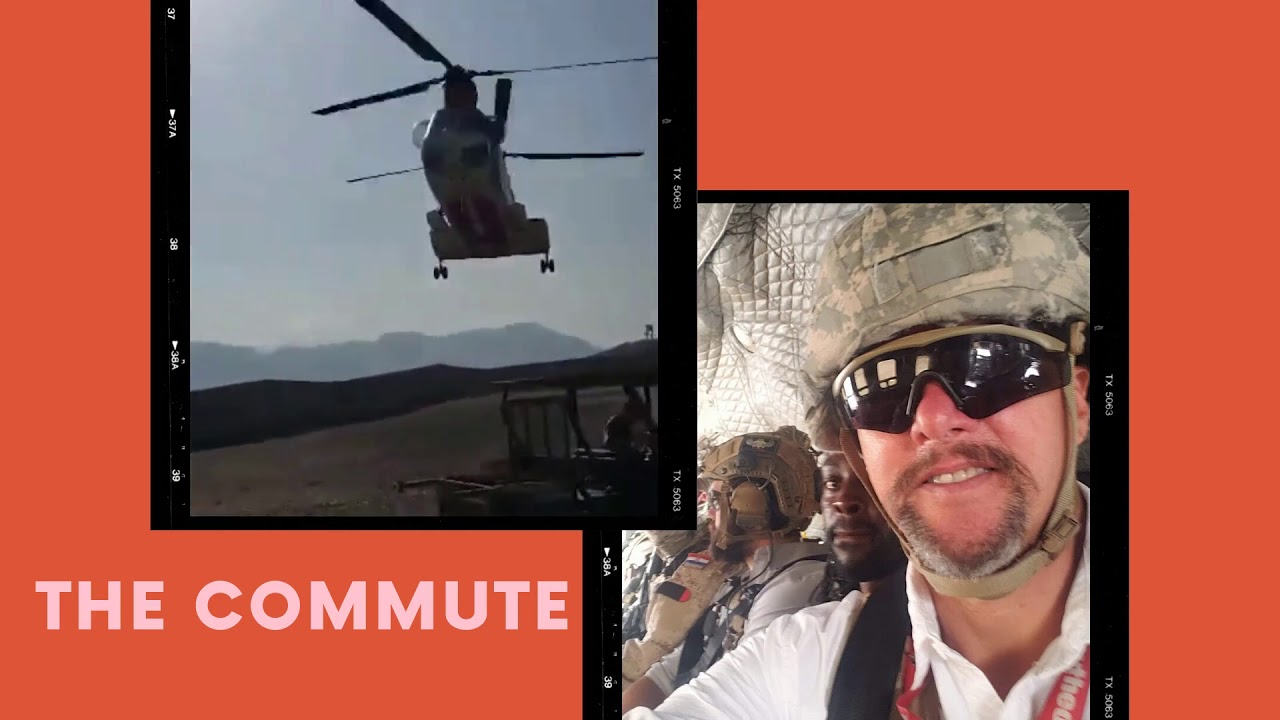
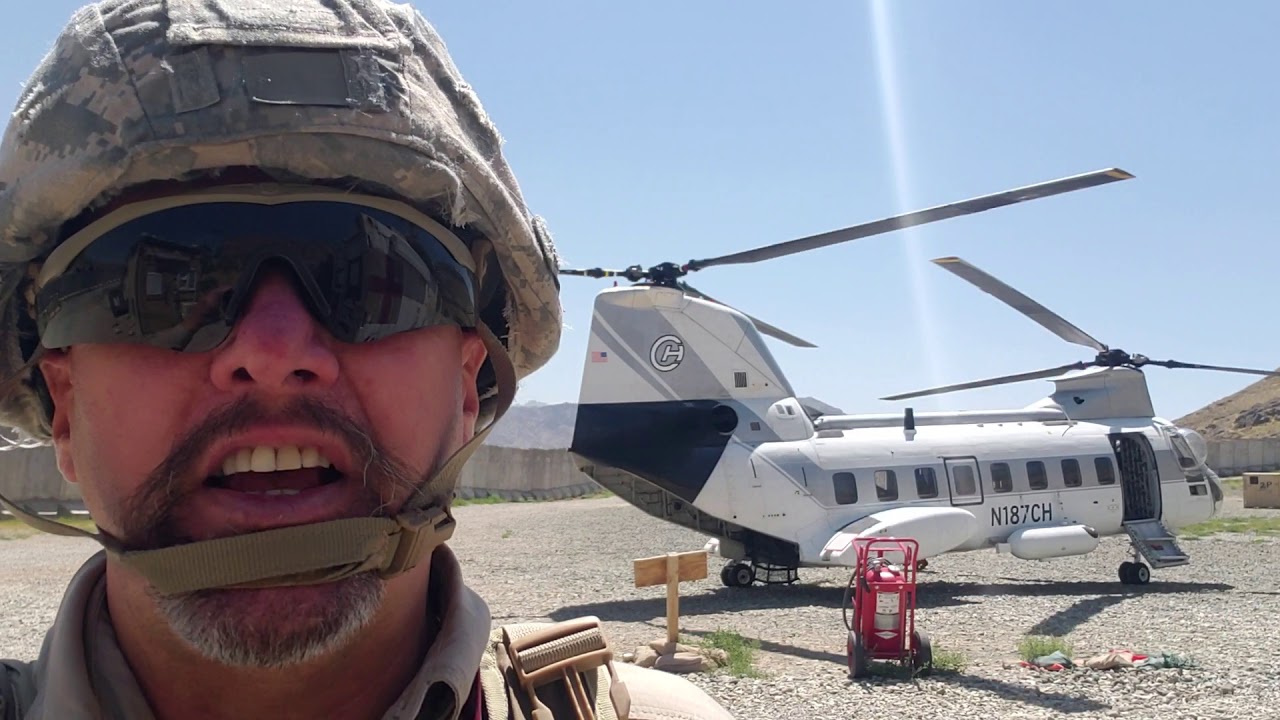
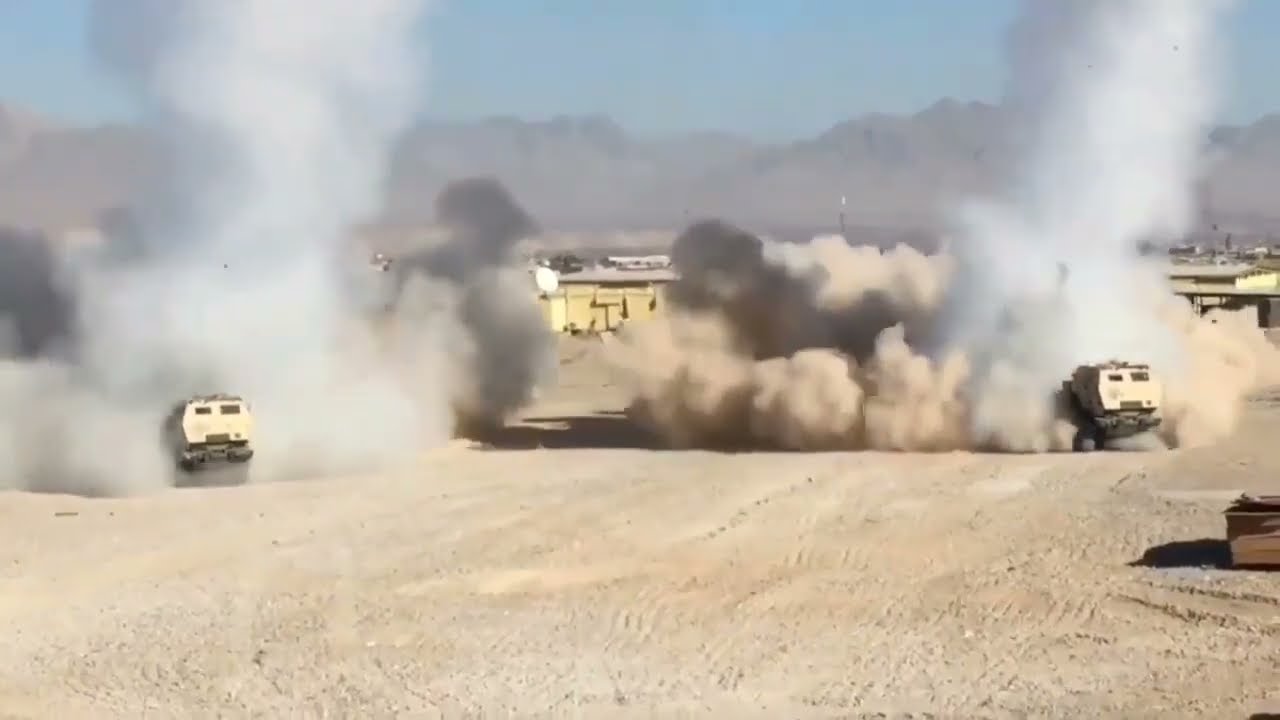
A visual strip from the military media gallery: the classroom was never only a classroom. It was aircraft, dust, dogs, field graphics, and live consequence.


Military Training Media
Three video doors from the source gallery, linked directly to their YouTube embeds.
 ►
► ►
► ►
►Teaching Aviation English Didn’t Solve My Travel Problem. It Subsidized It.
Before the War Chapter Became Doctrine
Six companion doors from the teaching years and the road between them: Saudi Arabia, Qatar, aviation culture, Hawaii, San Antonio, and the soundtrack that travelled with the story.
Language acts as a critical component of soft power by shaping regional preferences, cultural identity, and international relations through attraction rather than coercion.
The Majik Kingdom
Before Afghanistan, there was Saudi Arabia: defence contracts, aviation English, compounds, cultural friction, and desert classrooms where language already carried more consequence than a conventional lesson plan admitted.
Read The Majik KingdomTop Guns: Enjoy the Ride
The aircraft are only part of the story. The deeper subject is the operating culture around them: precision, confidence, risk, speed, and the discipline required to make complex performance look effortless.
Read Top GunsMath Atheists in Hawaii
Numbers can illuminate performance, but they can also create false confidence. This early teaching story asks what happens when measurement becomes a substitute for judgment instead of evidence that supports it.
Read Math AtheistsA Pain in the English
Long before “We Speak English or People Die” became the title, the central problem was already visible: English was not merely a school subject. It was a tool that had to cross accents, cultures, authority gradients, and operational pressure.
Read A Pain in the EnglishSan Antonio, Texas - A Few Good Planes
I was a civilian instructor moving through military ecosystems, where aviation, language, culture, and national influence intersected. The lesson was larger than vocabulary: communication can create trust and alignment before coercion is ever required.
Read A Few Good Planes
Ed's Playlist
Every long route has a soundtrack. This playlist carries the emotional thread between training, transit, aviation, war, memory, and return.
Open Ed's PlaylistDrone Book on Spotify
The war chapter continues into unmanned systems: human judgment, autonomous platforms, and the training burden that arrives when the aircraft no longer needs a cockpit.

What to Expect When You Are Expecting Drones
Listen to the drone book as an audio companion to the war chapter: a practical field meditation on autonomy, operator readiness, degraded conditions, and the new grammar of robotic warfare.
Open on SpotifyEd Reif

Author, Trainer, and Field Learning Architect
Ed Reif writes from the border between travel memoir and operational doctrine—where cruise ships, forward operating bases, aviation classrooms, autonomous systems, and human decision-making intersect. His work explores what people must notice, decide, and do when conditions deteriorate, uncertainty takes over, and the slide deck is gone.
He does not simply document experience. He converts lived experience into capability.
Time. Place. Language.
The Pacific taught the value of controlling time. Fair Isle taught the value of controlling place. The War Chapter taught the value of controlling language. Different environments. One operating system: reduce noise, recover signal, and act before ambiguity becomes consequence.
Train the sentence before the sentence is needed.